
An illustrated history of traditional bedding and mattress making.
Mattress makers and bedding makers hold a central place in people’s lives because of the very nature of the objects they make.
We are born in them, sleep in them, conceive children in them and die in them.
The earliest traces of the mattress-making trade date back to the 19th century
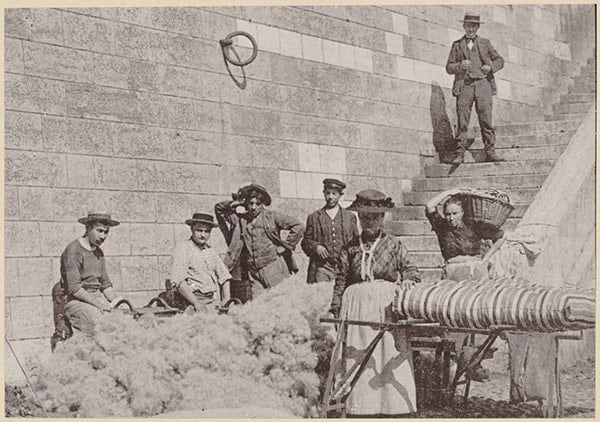
Historically, mattress making was an itinerant trade carried out by a married couple who divided the work between them.
Travel through time to discover the history and evolution of natural wool mattresses, box springs and the mattress-making trade through:
- historical accounts
- archival photographs and images
- videos and films
- postcards
- ink blotters
- period catalogs
- firsthand accounts
- collectible objects
Until the Second World War, mattress makers worked in apartment courtyards and farmyards, sheltered under bridges, in stairwells or even in the street. It was an itinerant trade in both towns and the countryside. The profession then gradually became workshop-based.
Until the mid-1960s, there were mattress makers on every street corner.
The wool mattress became commonplace during the second half of the 19th century, largely as a result of colonization and the supply of wool shorn from sheep in North and Central Africa.
Wool from colonized regions cost less than French wool. Wool mattresses consequently became widely affordable rather than remaining the preserve of a wealthy elite.
This educational space also chronicles how mattress making and the trade’s place in society have changed as the world has evolved.

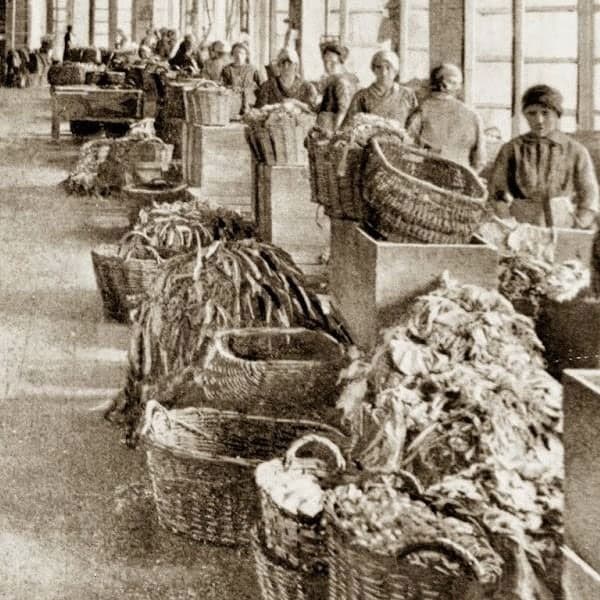
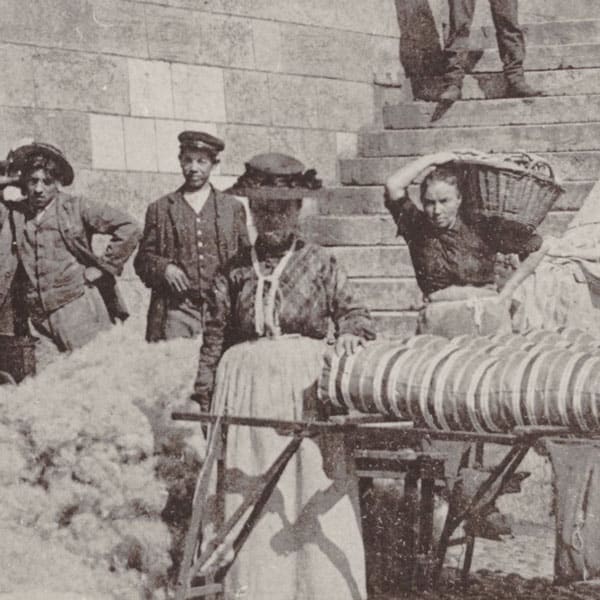
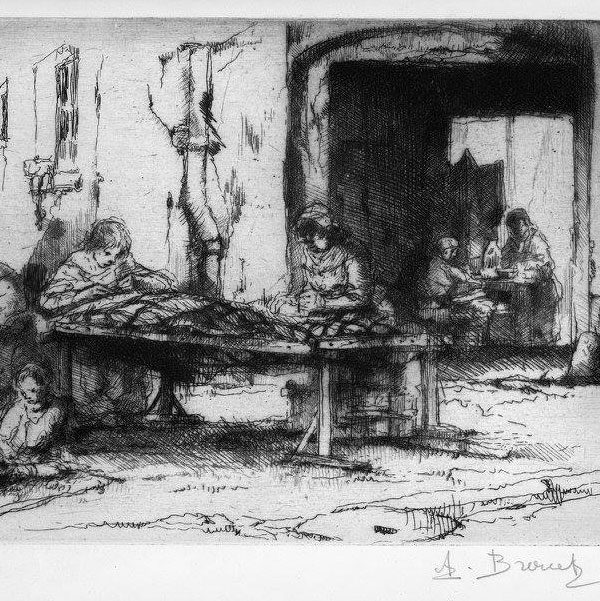
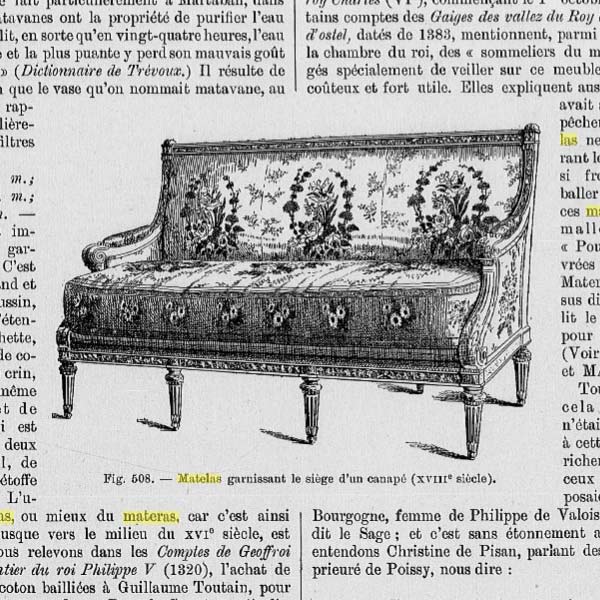
Passing this heritage on to future generations is one of the aims of this archival collection, which will continue to grow. Although it is far from a continuous account, the project aims to be as comprehensive and collaborative as possible.
This first online bedding museum is presented by Le Briand, which has designed, made and refurbished traditional bedding since 1880, drawing on French expertise and French production.
This museum began to take shape, somewhat by chance, from archival photographs and images of the Faubourg Saint-Antoine in Paris’s 11th arrondissement and of mattress making in Paris. Patrice Sébille began posting them in 2015 to the La Fabrique de l’Histoire Facebook group.
First published online in 2019, the collection in this cultural space has steadily grown over the years through the archives of Les Ateliers Le Briand and a project driven by Patrice Sébille’s passionate curiosity. It would probably never have developed so fully without his conversations with authors, his reading and his research.
We would like to thank the following contributors and sources:
- Jacques Le Briand
- Alain Thillay and his books Le faubourg Saint-Antoine et ses « faux ouvriers » (The Faubourg Saint-Antoine and Its “False Workers”) (Champ Vallon, 2004) and L’économie du bas au faubourg Saint-Antoine (The Informal Economy in the Faubourg Saint-Antoine) (1998)
- Pascal Dibie and his book Ethnologie de la chambre à coucher (Ethnology of the Bedroom) (Éditions Métailié, 1987)
- Henry Havard and his Dictionnaire de l’ameublement et de la décoration: depuis le XIIIe siècle jusqu’à nos jours (Dictionary of Furniture and Decoration: From the 13th Century to the Present Day) (1894)